
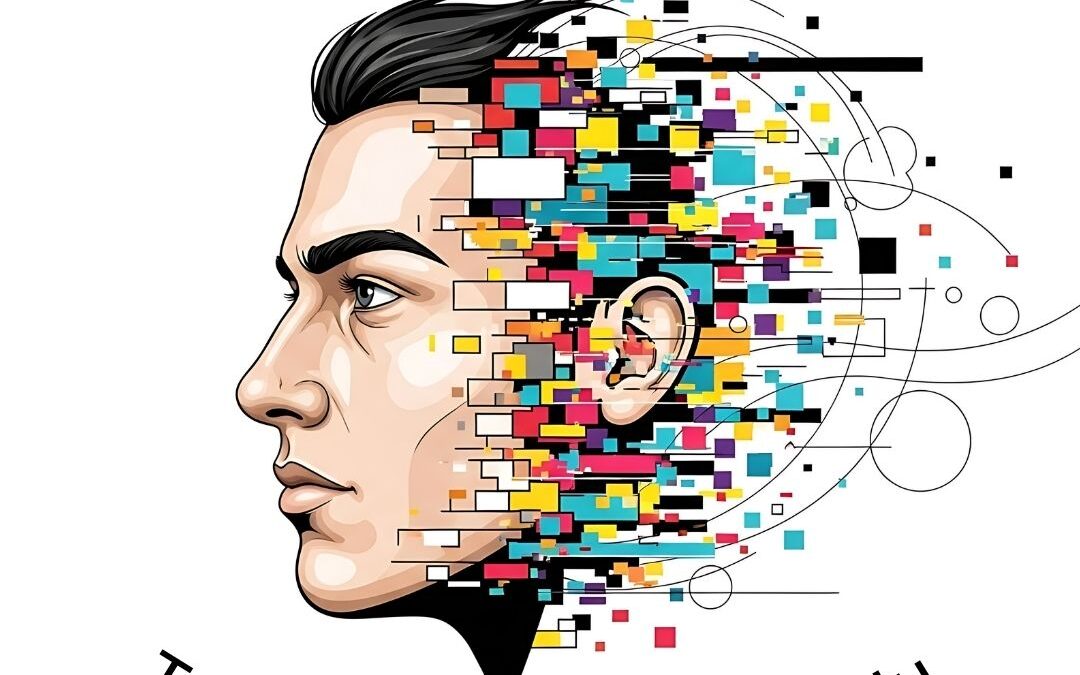
The relationship between our sense of self, identity, and physical body is far more powerful than most people realise. While traditional weight reduction advice understandably focuses on calories, exercise routines, and discipline, psychological science increasingly shows that lasting change is driven not just by what we do, but by who we believe we are.
This is a feature we work with on my upcoming Hypnotic Weight Reduction Programme.
In other words, your self-identity is not merely a passive reflection of your body – it is an active force shaping it.
Modern psychology and neuroscience have shone a light on how our internal self-concept influences our health behaviours, motivation, resilience, and even physiological outcomes. When you begin to consciously update your sense of identity, you can create a powerful alignment between your beliefs, behaviours, and physical goals—making change feel less like a struggle and more like a natural expression of who you are.
Here today, I’m exploring the science of self-identity, how it is formed, how it affects body image and weight, and – most importantly – how to consciously reshape it to support sustainable weight reduction and long-term wellbeing.
What Is Self-Identity?
Self-identity refers to the integrated sense of who you are. It includes your:
- Self-concept (how you perceive yourself)
- Values (what matters to you)
- Beliefs (what you think is true about yourself and the world)
- Roles (e.g., parent, professional, athlete)
- Personal narratives (the stories you tell about your life)
Developmental psychologist Erik Erikson described identity as:
“a sense of personal sameness and historical continuity” (Erikson, 1968).
Importantly, identity is not fixed. It is continuously shaped through experience, reflection, and behaviour. Philosopher and psychologist John Dewey captured this fluidity well:
“The self is not something ready-made, but something in continuous formation through choice of action.”
This means that your current identity – however entrenched it may feel – is not permanent. It can be updated, refined, and deliberately reconstructed.
How Self-Identity Is Formed
Self-identity develops through a combination of:
1. Early Experiences and Social Feedback
From childhood, we internalise labels and roles assigned by others:
- “The sporty one”
- “The funny one”
- “The big one”
- “The shy one”
These labels often become self-fulfilling narratives that persist into adulthood. I once worked with a lady to help her reduce weight and she stated that in her friendship group she was always known as ‘the cuddly one’ which was a polite reference to her size and formed part of her identity for most of her life.
2. Cultural and Societal Influences
Media, peer groups, and cultural norms shape our ideals about body image, attractiveness, and worth. Repeated exposure to unrealistic standards can distort our internal identity.
3. Personal Narratives
We construct stories about ourselves to make sense of our experiences. For example:
- “I’ve always struggled with my weight”
- “I’m not naturally athletic”
- “People like me don’t look like that”
These narratives often operate below conscious awareness yet strongly influence behaviour.
4. Repeated Behaviour
What you consistently do becomes evidence for who you believe you are. Over time:
- “I exercise regularly” → “I am an active person”
- “I overeat when stressed” → “I lack control”
Identity is reinforced through repetition.
The Body as a Core Component of Identity
Our bodies are not just biological structures – they are deeply tied to our identity and social experience. Philosopher Shaun Gallagher summarised this relationship succinctly:
“The body is the basis of the self, and the self is the basis of the body.”
Body image – the way we perceive and evaluate our physical selves – is a central component of identity. It influences:
- Self-esteem
- Social confidence
- Emotional wellbeing
- Health behaviours
When body image becomes fused with identity (“This is just who I am”), it can either support or sabotage change.
The Science: How Identity Shapes Body and Behaviour
1. Self-Concept Clarity and Body Image
Self-concept clarity refers to how clearly and confidently you understand who you are.
Research shows that individuals with high self-concept clarity:
- Are less influenced by unrealistic appearance ideals
- Experience greater body satisfaction
- Engage in healthier behaviours
Conversely, low self-concept clarity is linked to:
- Body dissatisfaction
- Disordered eating
- Increased social comparison
Vartanian et al. (2018) found that lower self-concept clarity predicts greater internalisation of appearance ideals and body dissatisfaction.
2. The Identity Disruption Model
This model suggests that disruptions in identity development—often due to early experiences—can lead to:
- Confusion about self-worth
- Greater susceptibility to external validation
- Unhealthy coping behaviours (e.g., emotional eating)
When identity is unclear or fragmented, people are more likely to rely on external cues (such as food or appearance) to regulate emotions.
3. Self-Discrepancy Theory
Self-discrepancy theory (Higgins, 1987) proposes that distress arises when there is a gap between:
- Actual self: Who you believe you are
- Ideal self: Who you want to be
- Ought self: Who you feel you should be
When your current body does not match your ideal, it can lead to:
- Shame
- Frustration
- Disengagement
However, when used constructively, this discrepancy can motivate positive change—especially when paired with a supportive identity shift.
4. Identity-Based Motivation Theory
Oyserman’s identity-based motivation theory suggests that people are more likely to engage in behaviours that feel congruent with their identity.
In simple terms:
- If you see yourself as “a healthy person,” healthy behaviours feel natural.
- If you see yourself as “someone who struggles with weight,” those same behaviours feel forced.
This is why identity change is more powerful than willpower alone.
Why Identity Matters More Than Motivation
Most weight loss attempts fail not because people lack knowledge, but because their identity remains unchanged.
You can follow the perfect diet plan, but if your internal narrative says:
- “This isn’t really me”
- “I always go back to old habits”
- “I’m just not that kind of person”
…then your behaviour will eventually revert to match your identity.
Lasting change occurs when:
Behaviour becomes an expression of identity, not an act of resistance against it.
Psychological Benefits of Identity-Based Change
1. Improved Mental Health
A coherent identity is associated with:
- Lower anxiety
- Reduced depressive symptoms
- Improved body satisfaction
2. Greater Resilience
A strong sense of self buffers against:
- Social comparison
- External judgement
- Setbacks
3. Intrinsic Motivation
When behaviours align with identity, motivation becomes:
- Internal rather than external
- Sustainable rather than effortful
4. Enhanced Self-Regulation
Identity clarity improves:
- Decision-making
- Impulse control
- Consistency
5. Stronger Mind–Body Connection
Practices that enhance body awareness can:
- Improve eating regulation
- Increase movement efficiency
- Promote neuroplastic changes in the brain
Practical Strategies to Update Your Self-Identity for Weight Reduction
Below are evidence-based, actionable strategies you can begin applying immediately to help weight reduction using self-identity, for more general guidance, read this article on The Psychology of Weight Loss.
1. Shift from Outcome Goals to Identity Goals
Instead of:
- “I want to lose 10kg”
Adopt:
- “I am someone who prioritises health and vitality”
Research shows identity-based goals are more sustainable because they influence daily behaviour.
Daily Practice:
Ask yourself:
“What would a healthy, energised version of me do today?”
2. Rewrite Your Personal Narrative
Identify limiting identity stories such as:
- “I’ve always been overweight”
- “I’m not disciplined”
Then consciously update them:
- “I am becoming more disciplined each day”
- “My body is adaptable and capable of change”
Narrative psychology shows that changing your story changes your behaviour.
3. Use Behaviour as Identity Evidence
Every small action reinforces identity.
- Go for a walk → “I am an active person”
- Choose nourishing food → “I respect my body”
Key principle:
You do not become confident first—you act, and confidence follows.
4. Practise Mindful Body Awareness
Mindfulness improves interoception (awareness of internal bodily states), which is linked to healthier eating behaviours.
Techniques:
- Body scan meditation
- Eating slowly and attentively
- Noticing hunger and satiety cues
Research shows mindfulness-based interventions support weight regulation and reduce binge eating.
5. Align Your Environment with Your Identity
Your environment should reflect who you are becoming.
- Keep healthy food visible
- Remove triggers for overeating
- Surround yourself with supportive influences
Behavioural science shows environment often overrides intention.
6. Use “Identity Statements” Daily
Create affirmations grounded in behaviour:
- “I am someone who moves daily”
- “I nourish my body with intention”
- “I take care of my health consistently”
These reinforce neural pathways through repetition (neuroplasticity).
7. Reduce Identity Conflicts
Avoid adopting identities that clash:
- “I want to be healthy” vs “I’m someone who indulges constantly”
Instead, integrate:
- “I enjoy food, and I make choices that support my wellbeing”
8. Visualise Your Future Self
Research on mental imagery shows that vividly imagining your future self increases motivation and goal-directed behaviour.
Exercise:
Spend 5 minutes daily imagining:
- How you move
- How you feel
- How you behave
Make it sensory and specific.
Self-hypnosis can help greatly when it comes to mental imagery of the self and with a number of other areas detailed in this article, learn more at this page of my college website: Learn Self-Hypnosis Here.
9. Build Self-Concept Clarity
Clarify your values:
- Health
- Longevity
- Energy
- Confidence
Then align behaviours with them.
Tool:
Journalling prompts such as:
- “What kind of person do I want to be?”
- “What does that person do daily?”
10. Reframe Setbacks as Identity Reinforcement
Instead of:
- “I’ve failed”
Adopt:
- “This is what someone committed to change learns from”
Resilient identity = long-term success.
11. Leverage Social Identity
Surround yourself with people who embody your desired identity.
Social identity theory shows we adopt behaviours consistent with our group.
12. Engage in Somatic Practices
Movement-based practices (e.g., yoga, strength training, walking) reinforce identity through embodiment.
They also promote neuroplasticity and emotional regulation.
Making Change Sustainable
The ultimate goal is to reach a point where:
- Healthy behaviours feel automatic
- Choices feel aligned, not forced
- Your identity supports your goals effortlessly
When identity shifts, discipline becomes less necessary because behaviour is congruent with who you are.
Conclusion
Your body is not just shaped by what you eat or how you train—it is shaped by who you believe you are.
By consciously updating your self-identity, you can:
- Transform your relationship with your body
- Improve mental and emotional wellbeing
- Create sustainable, lasting physical change
Rather than asking:
“How do I lose weight?”
A more powerful question is:
“Who do I need to become for this to be inevitable?”
Because when identity changes, everything else follows.
As I wrote previously, this is a feature we work with on my upcoming Hypnotic Weight Reduction Programme. Take a look if you’re interested in joining.
Have some of themes about the psychology of self-identity resonated with you? Then have a read of these pages:
Would you like a satisfying and meaningful career as a hypnotherapist helping others? Are you a hypnotherapist looking for stimulating and career enhancing continued professional development and advanced studies? Adam Eason’s Anglo European training college.
References:
Erikson, E. H. (1968). Identity: Youth and crisis. Norton.
Gallagher, S. (2005). How the body shapes the mind. Oxford University Press.
Higgins, E. T. (1987). Self-discrepancy: A theory relating self and affect. Psychological Review, 94(3), 319–340.
Oyserman, D. (2009). Identity-based motivation: Implications for action-readiness, procedural-readiness, and consumer behaviour. Journal of Consumer Psychology, 19(3), 250–260.
Vartanian, L. R., Froreich, F. V., & Smyth, J. M. (2016/2018). A longitudinal study of self-concept clarity and body dissatisfaction. Journal of Social and Clinical Psychology.
Neff, K. D. (2011). Self-compassion, self-esteem, and well-being. Social and Personality Psychology Compass, 5(1), 1–12.
Kabat-Zinn, J. (1990). Full catastrophe living. Delta.
Damasio, A. (1999). The feeling of what happens: Body and emotion in the making of consciousness. Harcourt.
Baumeister, R. F., & Vohs, K. D. (2007). Self-regulation, ego depletion, and motivation. Social and Personality Psychology Compass, 1(1), 115–128.
Markus, H., & Nurius, P. (1986). Possible selves. American Psychologist, 41(9), 954–969.

