
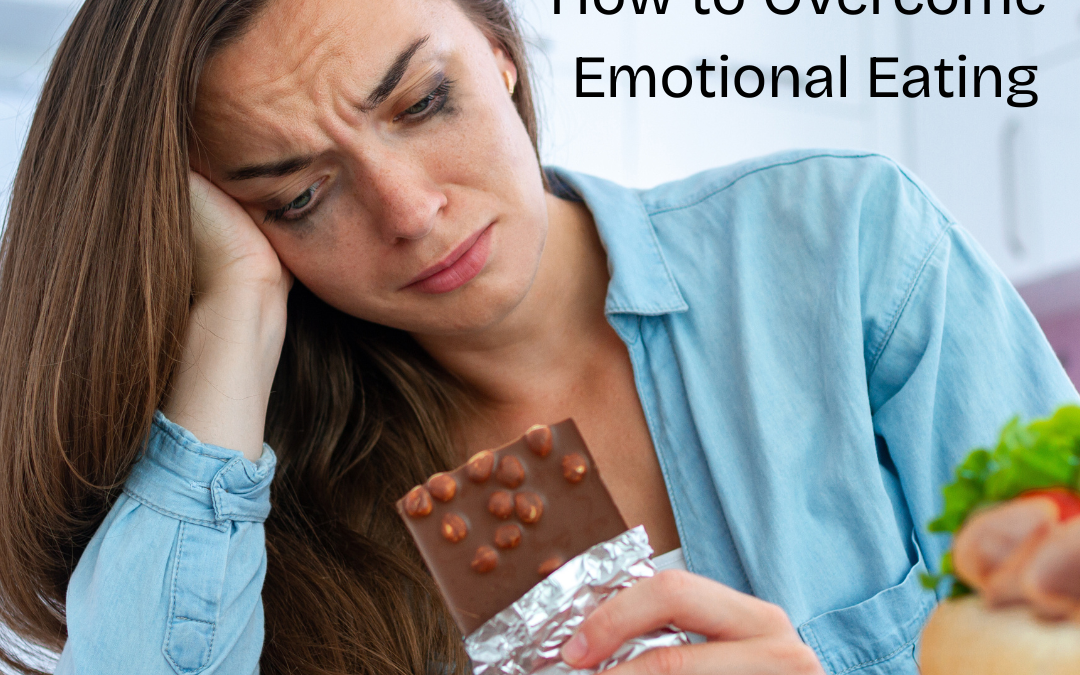
Exploring how to overcome emotional eating is a topic covered and discussed in my recently recorded Hypnotic Body Mastery Programme. I wanted to write about it today as it is something I’m addressing personally too; I recently put some healthy weight on while I was pursuing weightlifting goals, and am now reducing weight prior to competing in another Hyrax event later this year.
“You cannot control the wind, but you can adjust your sails.” – Unknown
SO yes, I’m discussing how to overcome emotional eating — this is whereby we use food to soothe, suppress, or escape unpleasant emotions and it is a widespread psychological challenge that many people face. It often presents as a compelling urge to consume comfort foods, typically high in sugar, fat, or salt, even when we’re not physically hungry.
While the occasional indulgence in a slice of cake or a bag of crisps may seem harmless, consistent emotional eating can lead to unhealthy weight gain, increased risk of chronic disease, low self-esteem, and an unhelpful cycle of guilt and shame.
I’m going to briefly explore the psychological roots of emotional eating, the science behind comfort food cravings, and then offer up a bunch of evidence-based strategies you can use to break the cycle, reclaim your health, and feel more in control of your emotional wellbeing.
Understanding Emotional Eating
Emotional eating refers to eating in response to emotions rather than hunger. It often stems from feelings of stress, anxiety, sadness, boredom, loneliness, or even happiness.
According to the American Psychological Association (2013), 38% of adults report overeating or eating unhealthy foods in response to stress, and of those, half engage in this behaviour weekly or more often.
Unlike physical hunger, which arises gradually and can be satisfied with almost any food, emotional hunger tends to be sudden, urgent, and specific—often for highly palatable foods like chocolate, ice cream, crisps, or pizza.
The Psychology and Science Behind Comfort Food Cravings
To stop emotional eating, we must understand what drives it.
- The Role of Dopamine and Reward Systems
Comfort foods trigger the brain’s reward system, releasing dopamine, a neurotransmitter associated with pleasure. Studies using functional MRI (e.g. Volkow et al., 2011) show that consuming sugary or fatty foods lights up the same brain areas involved in drug addiction, reinforcing the behaviour.
Over time, your brain may associate certain emotions with the need for these foods, creating a habit loop that can be hard to break.
- Cortisol and Stress Eating
Chronic stress leads to elevated cortisol levels, which have been shown to increase appetite and cravings for high-calorie, high-fat foods (Epel et al., 2001). This is especially problematic because these foods offer temporary relief but can leave you feeling worse in the long term. - Childhood Conditioning and Emotional Associations
Many people are conditioned from a young age to link food with comfort or reward. For instance, being given sweets to stop crying or rewarded with dessert for good behaviour can establish deep-rooted associations that persist into adulthood.
As psychotherapist Dr. Susan Albers explains,
“When food is your main coping mechanism, it becomes the go-to, even if it’s not effective in the long term.”
Benefits of Overcoming Emotional Eating
Conquering emotional eating brings a host of psychological and physical benefits, including:
- Improved self-esteem and body image
- Enhanced emotional regulation
- Reduced risk of obesity and metabolic diseases
- Better mood stability
- Greater energy and vitality
- Improved relationship with food.
Having looked at some of the mechanisms and consequences, let’s dive into science-backed strategies for overcoming emotional eating.
Evidence-Based Ways to Overcome Emotional Eating
Practise Mindful Eating:
Mindful eating involves paying full attention to your food—its taste, texture, and how it makes you feel—without distraction or judgment. It encourages awareness of physical hunger and satiety cues.
A randomised controlled trial by Kristeller & Wolever (2011) found that mindfulness-based eating awareness training significantly reduced binge eating episodes.
Tip: Try slowing down your meals, chewing thoroughly, and asking yourself mid-meal, “Am I still hungry?”
Identify Emotional Triggers:
Keep a food and mood journal to track what you eat, when, and how you’re feeling before and after. Patterns will often emerge that reveal your emotional triggers.
This self-monitoring approach is supported by research in behavioural psychology (Burke et al., 2011), which shows that increasing self-awareness can reduce emotional eating over time.
Distinguish Physical Hunger from Emotional Hunger
Ask yourself:
Did the hunger come on suddenly or gradually?
Do you crave a specific food or are you open to anything?
Can you wait to eat, or do you feel desperate?
This differentiation is crucial. Emotional hunger demands instant gratification; physical hunger builds slowly and is satisfied with a balanced meal.
Learn to Sit with Discomfort
Suppressing emotions leads to greater distress in the long run. Instead, allow yourself to feel your feelings without judgement.
Cognitive behavioural therapy (CBT) and/or Acceptance and Commitment Therapy (ACT) which I teach in my diploma courses, encourage emotional acceptance rather than avoidance. In fact, a 2010 study by Ouwens et al. found that women who accepted their emotions were less likely to eat in response to them. So many people feel an emotion driven craving and just give in to it rather than cope with some discomfort for a short period of time.
Develop Alternative Coping Mechanisms:
When you feel the urge to eat emotionally, replace food with non-food strategies:
Call a friend
Go for a walk
Journal your thoughts
Practise deep breathing or meditation (or self-hypnosis)
These strategies activate the parasympathetic nervous system, helping calm your emotional response without food.
Use Cognitive Restructuring:
Challenge and reframe the thoughts that lead to emotional eating. For example:
“I’ve had a bad day, I deserve chocolate” becomes
“I’ve had a bad day, but eating chocolate won’t fix it. A bath and early night will help more.”
CBT techniques like these are proven to reduce maladaptive eating behaviours (Wilson et al., 2007).
Address Underlying Emotional Issues:
Unresolved emotional wounds, trauma, or chronic stress often underlie emotional eating. Therapy with a psychologist or hypnotherapist can help you process these experiences in a healthy way.
Evidence-based trauma-informed approaches are particularly helpful when emotional eating stems from early attachment or abandonment issues.
Establish Structured Eating Patterns:
Skipping meals can make you more vulnerable to emotional eating later in the day. Eating balanced meals at regular intervals stabilises blood sugar and prevents extreme hunger.
A 2015 study in Appetite found that irregular eating habits predicted emotional eating and poor dietary self-control.
Get Adequate Sleep:
Sleep deprivation increases ghrelin (the hunger hormone) and reduces leptin (the satiety hormone), leading to stronger food cravings.
In fact, Taheri et al. (2004) found that people sleeping fewer than 5 hours a night had 15% higher levels of ghrelin. Sleep hygiene is crucial in the fight against emotional eating.
Reduce Stress with Relaxation Techniques:
Yoga, progressive muscle relaxation, and diaphragmatic breathing all help reduce cortisol, which in turn reduces food cravings.
A study by Dalen et al. (2010) showed that participants who practised mindfulness and stress-reduction techniques experienced decreased emotional eating and improved eating habits.
Self-hypnosis can advance relaxation skills, help reduce stress directly and help with several of the other points on this page, learn more at this page of this college website: Learn Self-Hypnosis Here.
Practice Self-Compassion:
Instead of criticising yourself for emotional eating episodes, practise self-kindness. Research by Kelly et al. (2014) found that higher levels of self-compassion correlated with lower levels of disordered eating and body shame.
“You yourself, as much as anybody in the entire universe, deserve your love and affection.” – Buddha
Consider reading these great articles to delve further into this topic: How to Develop Self-Compassion or this article on Using Self-Hypnosis to Advance Self-Compassion.
Avoid Restrictive Dieting:
Highly restrictive diets can backfire by creating a deprivation mindset, increasing the risk of binge eating. A more sustainable approach is intuitive eating, which involves listening to your body’s hunger and fullness cues without guilt.
Tribole and Resch’s (1995) Intuitive Eating model has growing empirical support for reducing emotional and disordered eating patterns.
Stay Hydrated:
Thirst is often mistaken for hunger. Drinking enough water helps regulate appetite and improves energy levels. One study found that people who drank water before meals consumed fewer calories (Dennis et al., 2010).
Aim for at least 6–8 glasses a day, or more if you’re active.
Create an Environment That Supports Change:
Keep high-risk foods out of easy reach. Instead, stock your kitchen with healthy alternatives like fruit, nuts, or Greek yoghurt. Changing your environment reduces decision fatigue and temptation.
Behavioural science shows that small environmental shifts can significantly influence eating behaviour (Wansink, 2014).
Seek Professional Help When Needed:
If emotional eating is significantly affecting your wellbeing, seek help from a clinical psychologist, dietitian, or therapist specialising in eating behaviours. Evidence-based therapies like Hypnotherapy, ACT (Acceptance and Commitment Therapy), and DBT (Dialectical Behaviour Therapy) have all been shown to help reduce emotional eating tendencies.
To bring this to a close, emotional eating is not a sign of weakness or lack of willpower—it’s a learned behaviour, rooted in brain chemistry, early experiences, and coping patterns.
By increasing self-awareness, adopting healthier emotional regulation strategies, and practising kindness towards yourself, you can break free from the cycle and develop a more peaceful, empowering relationship with food.
Remember: change is possible, and every mindful choice is a step forward.
Have some of themes here resonated with you? Then have a read of these pages:
Would you like a satisfying and meaningful career as a hypnotherapist helping others? Are you a hypnotherapist looking for stimulating and career enhancing continued professional development and advanced studies? Adam Eason’s Anglo European training college.
References
American Psychological Association. (2013). Stress in America: Are Teens Adopting Adults’ Stress Habits?
Burke, L. E., Wang, J., & Sevick, M. A. (2011). Self-monitoring in weight loss: a systematic review of the literature. Journal of the American Dietetic Association, 111(1), 92–102.
Dalen, J., Smith, B. W., Shelley, B. M., Sloan, A. L., Leahigh, L., & Begay, D. (2010). Pilot study: Mindful eating and living (MEAL): Weight, eating behavior, and psychological outcomes associated with a mindfulness-based intervention for people with obesity. Complementary Therapies in Medicine, 18(6), 260–264.
Dennis, E. A., Dengo, A. L., Comber, D. L., et al. (2010). Water consumption increases weight loss during a hypocaloric diet intervention in middle-aged and older adults. Obesity, 18(2), 300–307.
Epel, E., Lapidus, R., McEwen, B., & Brownell, K. (2001). Stress may add bite to appetite in women: a laboratory study of stress-induced cortisol and eating behavior. Psychoneuroendocrinology, 26(1), 37–49.
Kelly, A. C., Vimalakanthan, K., & Carter, J. C. (2014). Understanding the role of self‐compassion in binge eating: A mediation analysis. Mindfulness, 5(3), 298–306.
Kristeller, J. L., & Wolever, R. Q. (2011). Mindfulness-based eating awareness training for treating binge eating disorder: the conceptual foundation. Eating Disorders, 19(1), 49–61.
Ouwens, M. A., Schiffer, A. A., Visser, L., Raeijmaekers, N. J., & Nyklíček, I. (2010). Affect and eating: A daily study of emotional eating. Appetite, 54(3), 538–543.
Taheri, S., Lin, L., Austin, D., Young, T., & Mignot, E. (2004). Short sleep duration is associated with reduced leptin, elevated ghrelin, and increased body mass index. PLoS Medicine, 1(3), e62.
Tribole, E., & Resch, E. (1995). Intuitive Eating: A Revolutionary Program That Works. St. Martin’s Press.
Volkow, N. D., Wang, G. J., & Baler, R. D. (2011). Reward, dopamine and the control of food intake: implications for obesity. Trends in Cognitive Sciences, 15(1), 37–46.
Wansink, B. (2014). Slim by Design: Mindless Eating Solutions for Everyday Life. Harper Wave.
Wilson, G. T., Grilo, C. M., & Vitousek, K. (2007). Psychological treatment of eating disorders. American Psychologist, 62(3), 199–216.

